Graffiti Arts Program (GAP)

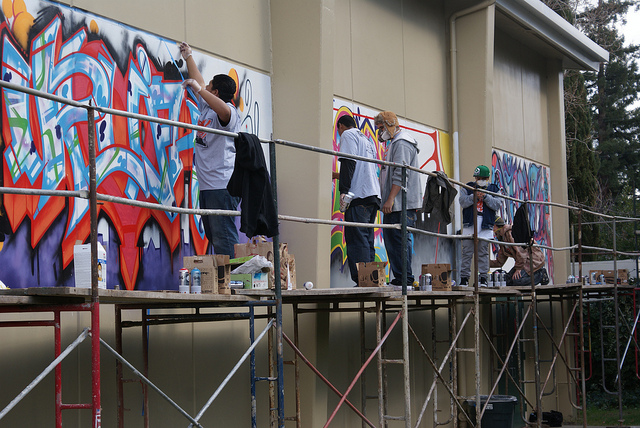
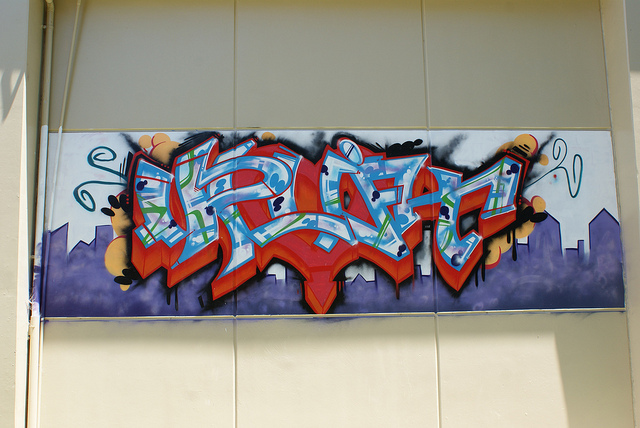
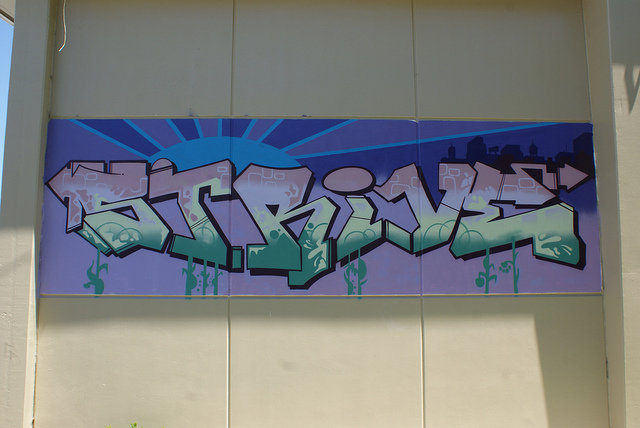
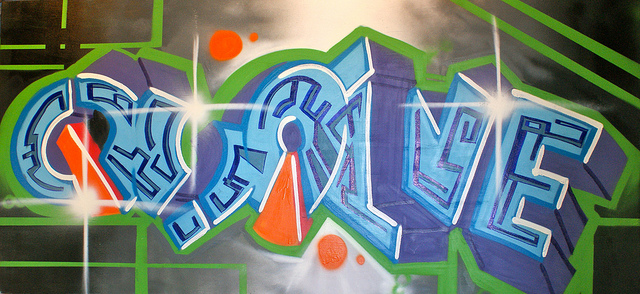
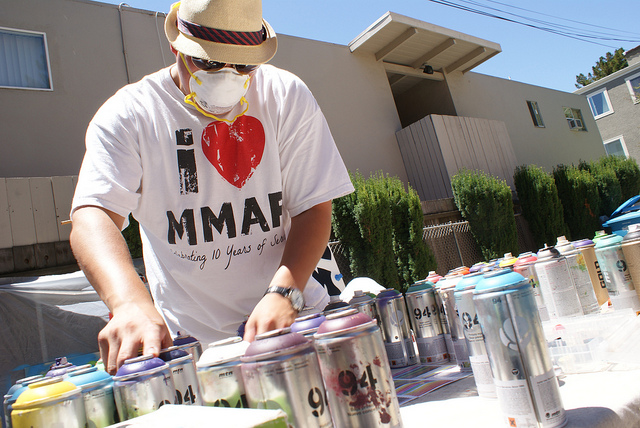
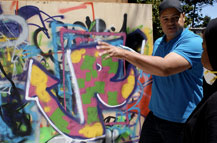
GAP is an after school program in collaboration with the East Palo Alto Police Department. GAP aims to combat youth vandalism and graffiti crimes in the Silicon Valley by exploring the history and techniques of the graffiti art form.

    GAP also achieves the following outcomes:

  • Decreases entanglement with juvenile justice system
  • Encourages appreciation for artistic expression and property rights
  • Restores vandalized property and conserves public art

In 2008, the City of East Palo Alto Police Department received a grant from the United States Department of Justice, Office of Juvenile Justice & Delinquency Program (OJJDP), to implement youth prevention and intervention programs designed to provide at-risk youth alternatives to gangs and violence. As part of this grant, the Police Department partnered with MMAP to create and implement the Graffiti Arts Project (GAP). The purpose of GAP is to reduce graffiti in the City and provide at-risk youth positive alternatives to gangs and illegal activities. GAP teaches youth respect for their communites and provides them the skills and incentives to use their artistic talents to transform illegal graffiti into art that compliments the community.

The GAP Program was designed, and executed in two sessions from August 2008 to May 2009. Session 1 consisted of a six-week pilot, and Session 2 expanded to a 12-week program. 34 youth successfully completed GAP, and program participants were awarded over $2,000 in cash prizes and art materials. The program culminated in a Graffiti Arts festival with a juried art exhibition, showcasing student talent and honoring their commitment to the arts.

GAP's curricular focus is artistic skill development, property restoration, and helping youth to utilize their artistic talents for positive expression. This project-based learning model includes a thematic teaching curriculum exploring the origin of Graffiti and how youth can express themselves with graffiti without disrespecting the art, disrespecting others, or breaking the law. GAP provides a platform for youth to express their artistic talent in a safe, supportive environment while they improve their art skills, conduct graffiti clean-up, and contribute to property restoration. Youth have the opportunity to interact with law enforcement in a collegial environment during program sessions. Youth earn community service credit, volunteer hours, and court work hours for their participation.

The Gateway Project, Lublin, Poland 2010: Access, Empowerment, and Memory

The Gateway Project stems from collaboration between artist educators in the USA from Mural Music & Arts Project and University of HIP HOP and a Polish independent cultural institution, Osrodek Brama Teatr NN. This project will retrieve sites of memory through commemoration of both the cultural life and the tragic murder of the Polish Jewry in Lublin. Project Gateway will leave a legacy of collaboration, artistic expression and historical rigor through the creativity of local youth and organizations. The ultimate objective is to combat ethno-nationalism and anti-Semitism, promoting awareness and memory of historical events Through the use of contemporary urban arts culminating in the creation of full-scale murals, the Gateway project seeks to foster awareness with local Lublin youth regarding the massacre of Jewish youth in the area. The project seeks to unite Polish-Jewish history and local youth creativity to generate commemorative murals that will be permanent mainstays in the community for years to come.The arts, in particular- contemporary graffiti art, is a perfect way through which kids today can relate to the past, while building on their own future using their own language.

Over the course of fourteen days, students will be exposed to the local history through multiple forms of expression. Foremost, what is unique about The Gateway Project is the use of the art and culture of graffiti. This art form is not only contemporary, but will also allow students to express their individuality and identity while grappling with difficult historical issues. Graffiti is part of a hip-hop heritage that is the language of global youth today. Graffiti and hip-hop allow for educators and youth to come together across boundaries of age and culture on equal footing. This new language of expression, thereby, catalyzes youth interests fueling their full participation in this unique commemorative project.